
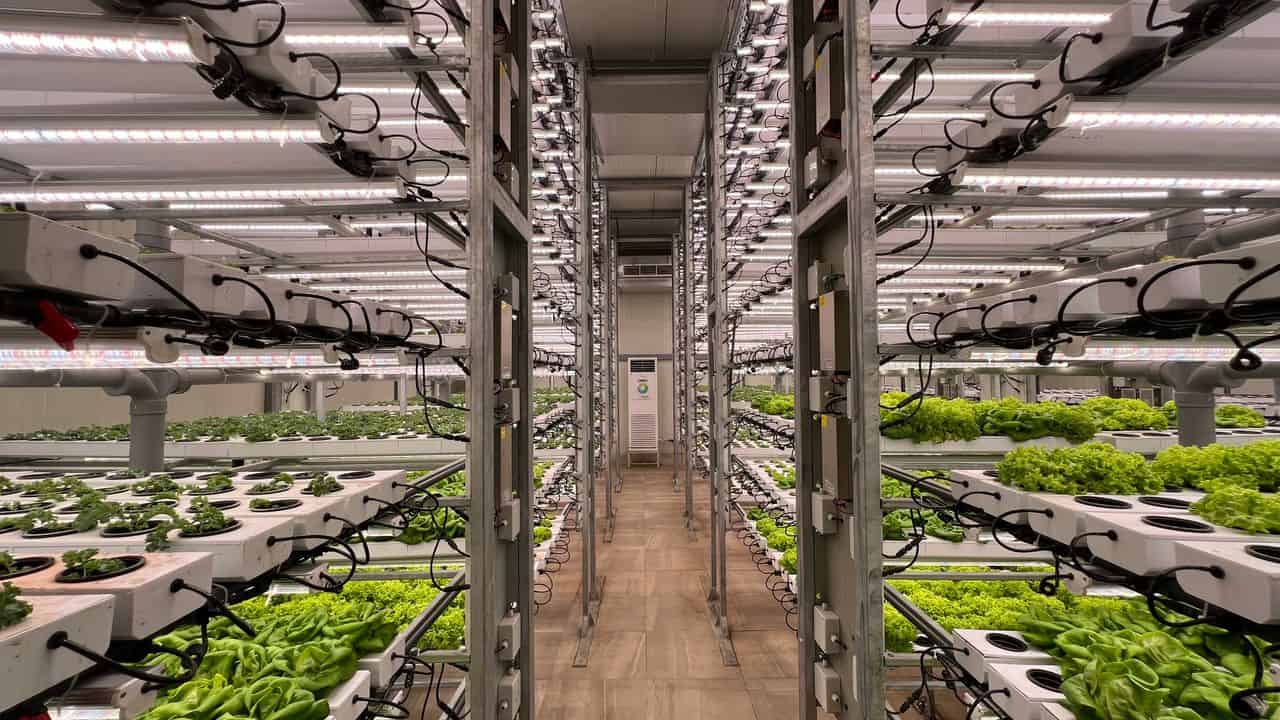
Agriculture is evolving rapidly as farmers face increasing challenges such as climate change, water scarcity, rising production costs, and growing food demand. Smart farming has emerged as a powerful solution that combines modern technology with sustainable agricultural practices to improve efficiency, productivity, and environmental responsibility.
By using data, automation, and innovative tools, farmers can optimize resource usage, reduce waste, and produce healthier crops while protecting natural ecosystems. Smart farming is helping create a more sustainable future for agriculture worldwide.
What Is Smart Farming?
Smart farming refers to the use of advanced technologies such as sensors, artificial intelligence, automation, drones, GPS systems, and data analytics to improve agricultural operations. These technologies help farmers make informed decisions based on real-time information rather than guesswork.
The goal is to maximize productivity while minimizing environmental impact and resource consumption.
Why Smart Farming Matters
Traditional farming methods often rely on large amounts of water, fertilizers, pesticides, and labor. Smart farming helps address these challenges by improving precision and efficiency.
Benefits include:
- Reduced water consumption
- Lower fertilizer and pesticide usage
- Improved crop yields
- Better soil health management
- Reduced operational costs
- Enhanced environmental sustainability
These advantages make smart farming an important component of sustainable agriculture.
1. Precision Irrigation Systems
Water conservation is one of the most important aspects of sustainable farming. Precision irrigation systems use sensors and weather data to determine exactly when and how much water crops need.
Benefits include:
- Reduced water waste
- Improved crop health
- Lower irrigation costs
- Better drought management
By delivering water only when necessary, farmers can conserve resources while maintaining productivity.
2. Soil Monitoring Technology
Healthy soil is essential for successful agriculture. Smart soil sensors can monitor:
- Moisture levels
- Nutrient content
- Soil temperature
- pH balance
- Organic matter levels
Real-time data helps farmers apply fertilizers and soil treatments more efficiently, reducing waste and improving soil quality.
3. Drone-Based Crop Monitoring
Agricultural drones are becoming increasingly popular for monitoring large farming areas.
Drones can help farmers:
- Detect crop stress
- Identify pest infestations
- Monitor plant health
- Assess irrigation effectiveness
- Map field conditions
Early detection of problems allows farmers to take corrective action before significant damage occurs.
4. Automated Farm Equipment
Automation is transforming modern agriculture by reducing labor requirements and improving efficiency.
Examples include:
- Autonomous tractors
- Robotic harvesters
- Automated seed planters
- Smart spraying systems
- Precision fertilization equipment
These technologies reduce resource usage while improving operational accuracy.
5. Weather Monitoring and Forecasting Tools
Weather conditions significantly impact farming outcomes. Smart weather systems provide real-time information that helps farmers plan activities more effectively.
Applications include:
- Irrigation scheduling
- Planting decisions
- Harvest timing
- Frost protection
- Pest management planning
Accurate forecasts help reduce risks and improve productivity.
6. AI-Powered Crop Management
Artificial intelligence can analyze large amounts of agricultural data to provide valuable insights.
AI applications include:
- Yield prediction
- Disease detection
- Pest identification
- Resource optimization
- Farm performance analysis
AI-driven recommendations help farmers make smarter decisions that support sustainability goals.
7. Smart Greenhouses
Controlled-environment agriculture is becoming more efficient through smart greenhouse technology.
Features may include:
- Automated temperature control
- Smart lighting systems
- Humidity monitoring
- Water-efficient irrigation
- Climate management software
These systems allow crops to grow under optimal conditions while conserving resources.
8. Renewable Energy Integration
Many farms are incorporating renewable energy solutions to reduce environmental impact and operating costs.
Popular options include:
- Solar-powered irrigation systems
- Wind energy installations
- Biogas production
- Energy storage systems
- Solar-powered farm equipment
Renewable energy supports long-term sustainability while reducing dependence on fossil fuels.
9. Livestock Monitoring Systems
Technology is also improving livestock management through smart monitoring tools.
Farmers can track:
- Animal health
- Feeding patterns
- Activity levels
- Location data
- Environmental conditions
These systems improve animal welfare while enhancing farm efficiency.
10. Farm Data Management Platforms
Modern farms generate significant amounts of information. Farm management software helps organize and analyze this data.
Benefits include:
- Better decision-making
- Resource tracking
- Financial planning
- Performance monitoring
- Sustainability reporting
Centralized data management allows farmers to identify opportunities for improvement and reduce waste.
Environmental Benefits of Smart Farming
Smart farming contributes to sustainability by:
Conserving Water
Precision irrigation and monitoring systems reduce unnecessary water usage.
Reducing Chemical Inputs
Targeted fertilizer and pesticide applications minimize environmental pollution.
Lowering Carbon Emissions
Efficient machinery and renewable energy solutions help reduce greenhouse gas emissions.
Protecting Soil Health
Data-driven soil management practices support long-term agricultural productivity.
Supporting Biodiversity
Reduced chemical use and sustainable land management help preserve ecosystems.
Challenges of Smart Farming Adoption
Despite its advantages, smart farming faces several obstacles:
- High technology investment costs
- Limited digital infrastructure in rural areas
- Need for technical training
- Data management complexities
- Equipment maintenance requirements
However, ongoing innovation and declining technology costs are making smart farming increasingly accessible.
The Future of Smart Farming
The future of agriculture will likely be shaped by greater automation, artificial intelligence, machine learning, and connected farming systems. As sustainability becomes a priority for governments, businesses, and consumers, smart farming technologies will continue to play a critical role in improving food production while protecting natural resources.
Farmers who embrace innovation today will be better positioned to meet future challenges and opportunities.
Conclusion
Smart farming combines technology and sustainability to create more efficient, productive, and environmentally responsible agricultural systems. From precision irrigation and drone monitoring to renewable energy and AI-powered decision-making, these innovations are helping farmers optimize resources while reducing environmental impact.
As agriculture continues to evolve, smart farming will remain a key driver of sustainable food production, supporting both economic growth and environmental stewardship for future generations.