
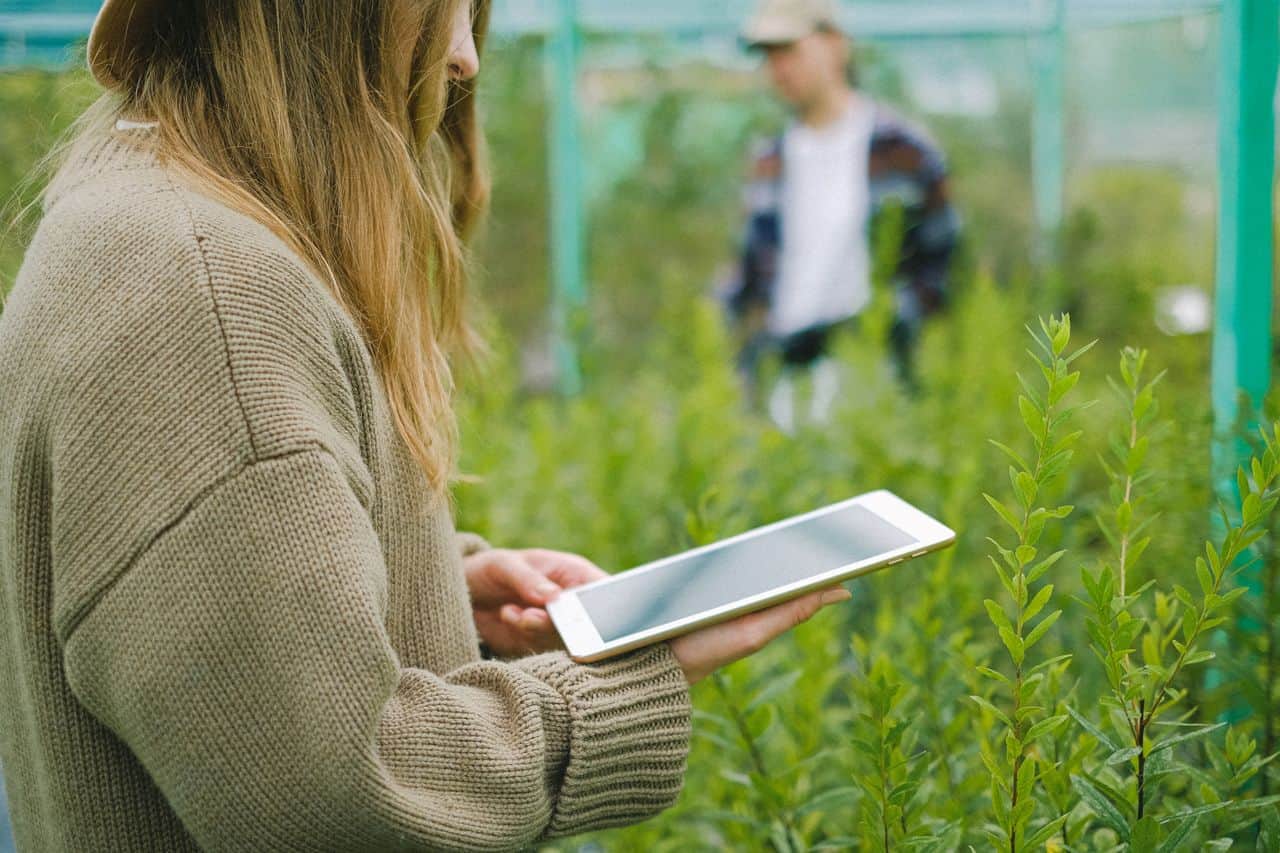
Agriculture is undergoing a significant transformation as farmers and agribusinesses seek ways to produce more food while protecting natural resources. Sustainable agriculture has emerged as a solution that balances productivity, environmental responsibility, and long-term profitability. By adopting innovative practices and technologies, modern farming is becoming more efficient, resilient, and environmentally friendly.
As concerns about climate change, soil degradation, water scarcity, and food security continue to grow, sustainable agriculture trends are helping shape the future of farming around the world.
What Is Sustainable Agriculture?
Sustainable agriculture refers to farming methods that meet current food production needs without compromising the ability of future generations to meet their own needs. It focuses on maintaining healthy ecosystems, conserving natural resources, and supporting economic viability for farmers.
The key goals of sustainable agriculture include:
- Protecting soil health
- Conserving water resources
- Reducing environmental impact
- Enhancing biodiversity
- Improving farm profitability
- Supporting long-term food security
1. Precision Agriculture and Smart Farming
Technology is playing a major role in improving farming efficiency. Precision agriculture uses data, sensors, GPS technology, and artificial intelligence to optimize farming operations.
Benefits include:
- Reduced fertilizer use
- Improved crop yields
- Efficient irrigation management
- Lower operational costs
- Better pest and disease monitoring
Farmers can make data-driven decisions that minimize waste while maximizing productivity.
2. Regenerative Agriculture
Regenerative agriculture focuses on restoring soil health and improving ecosystem resilience. Instead of simply sustaining resources, this approach aims to regenerate them.
Common practices include:
- Cover cropping
- Crop rotation
- Reduced tillage
- Compost application
- Managed grazing
Healthy soils can store more carbon, improve water retention, and increase crop productivity over time.
3. Water Conservation Technologies
Water scarcity is becoming a major challenge in many agricultural regions. Farmers are adopting innovative water management solutions such as:
- Drip irrigation systems
- Rainwater harvesting
- Smart irrigation sensors
- Water recycling systems
- Soil moisture monitoring
These technologies help reduce water waste while ensuring crops receive adequate hydration.
4. Organic and Natural Farming
Consumer demand for chemical-free and environmentally responsible food products continues to grow. As a result, more farmers are embracing organic and natural farming methods.
Key characteristics include:
- Reduced synthetic pesticide use
- Natural soil fertility management
- Biological pest control
- Organic fertilizers
- Environmentally friendly farming practices
Organic farming supports healthier ecosystems and can provide premium market opportunities.
5. Vertical Farming and Controlled Environment Agriculture
Urbanization and limited farmland availability have accelerated the growth of vertical farming.
Benefits include:
- Year-round crop production
- Reduced land requirements
- Lower water consumption
- Controlled growing conditions
- Reduced transportation distances
Vertical farms can produce fresh food closer to consumers while minimizing environmental impact.
6. Renewable Energy on Farms
Many farms are investing in renewable energy solutions to reduce costs and lower carbon emissions.
Examples include:
- Solar power systems
- Wind energy installations
- Biogas production
- Energy-efficient equipment
- Battery storage systems
Renewable energy improves farm sustainability while reducing dependence on traditional energy sources.
7. Sustainable Livestock Management
Livestock farming is also evolving to become more environmentally responsible.
Sustainable practices include:
- Rotational grazing
- Improved animal welfare
- Efficient feed management
- Methane reduction strategies
- Better manure management systems
These approaches help reduce environmental impacts while maintaining productivity.
8. Agroforestry Systems
Agroforestry combines trees and agricultural crops within the same farming system.
Benefits include:
- Improved soil quality
- Enhanced biodiversity
- Carbon sequestration
- Better water management
- Additional income sources
This integrated approach creates more resilient and productive agricultural landscapes.
9. Climate-Smart Agriculture
Climate-smart agriculture helps farmers adapt to changing weather conditions while reducing greenhouse gas emissions.
Strategies include:
- Drought-resistant crop varieties
- Climate forecasting tools
- Improved soil management
- Diversified farming systems
- Sustainable land-use planning
These practices strengthen agricultural resilience in the face of climate challenges.
10. Sustainable Supply Chains and Traceability
Consumers increasingly want to know where their food comes from and how it is produced.
Modern supply chain innovations include:
- Farm-to-table transparency
- Digital traceability systems
- Sustainability certifications
- Ethical sourcing programs
- Blockchain technology for tracking products
Transparency builds consumer trust and supports responsible production practices.
Benefits of Sustainable Agriculture
The adoption of sustainable farming practices offers numerous advantages:
Environmental Benefits
- Reduced pollution
- Improved soil health
- Enhanced biodiversity
- Lower greenhouse gas emissions
- Better water conservation
Economic Benefits
- Increased operational efficiency
- Lower input costs
- Greater resilience to market changes
- Access to premium markets
- Long-term profitability
Social Benefits
- Improved food security
- Stronger rural communities
- Better worker safety
- Enhanced consumer confidence
Challenges Facing Sustainable Agriculture
Despite its benefits, sustainable agriculture faces several challenges:
- High initial investment costs
- Limited access to technology
- Knowledge and training gaps
- Climate-related uncertainties
- Market transition difficulties
However, ongoing innovation and growing consumer demand continue to drive adoption worldwide.
The Future of Sustainable Farming
The future of agriculture will likely involve a combination of technology, ecological practices, and data-driven decision-making. As governments, consumers, and businesses place greater emphasis on sustainability, farmers will continue adopting methods that improve productivity while protecting natural resources.
Sustainable agriculture is no longer an alternative approach—it is becoming a fundamental strategy for feeding a growing global population while preserving the planet for future generations.
Conclusion
Sustainable agriculture trends are reshaping modern farming by improving efficiency, conserving resources, and promoting environmental responsibility. From precision farming and regenerative agriculture to renewable energy and climate-smart practices, these innovations are helping farmers meet current demands while preparing for future challenges.
By embracing sustainable methods, the agricultural sector can enhance productivity, strengthen food security, and create a more resilient and environmentally responsible future for generations to come.